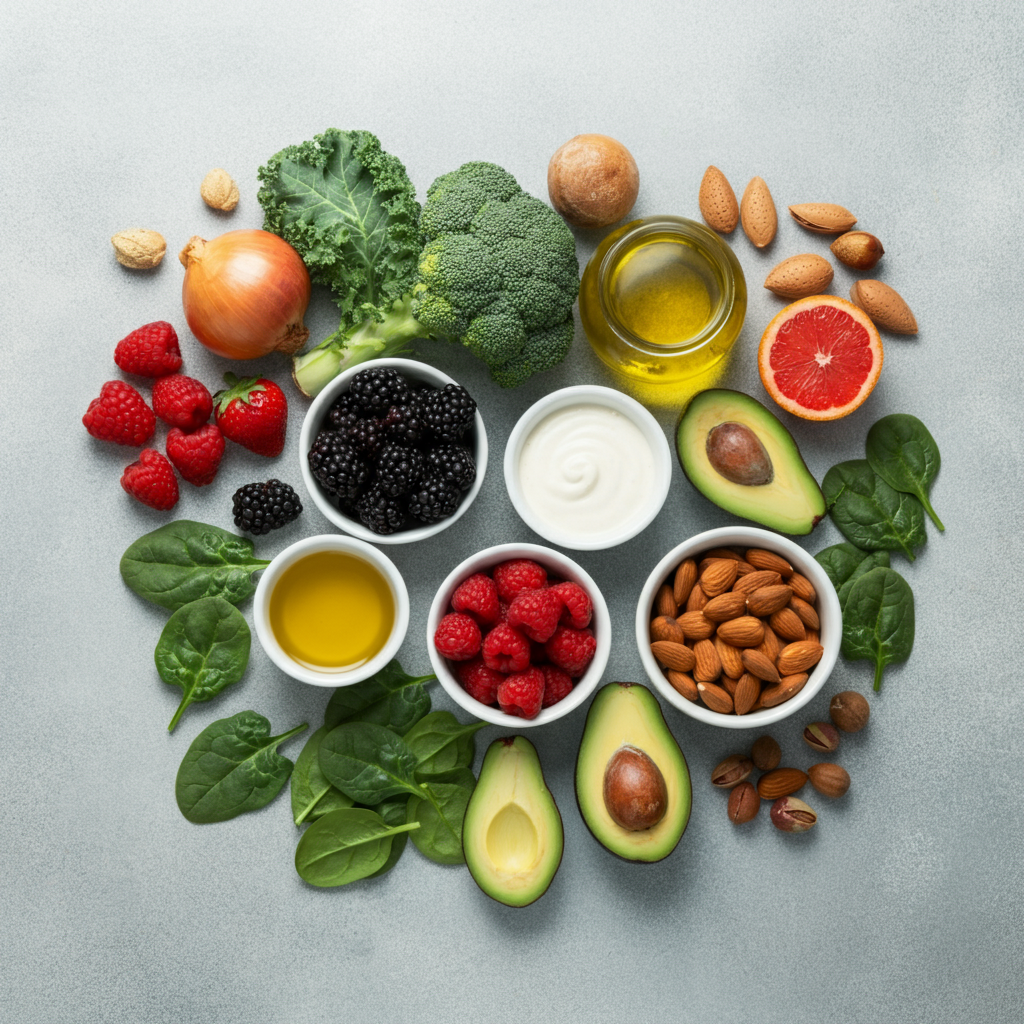
Inflammation is a natural response by your body to protect itself from harm. While acute inflammation helps heal injuries and fight infections, chronic inflammation can lead to a range of health issues, from fatigue to heart disease. The good news? Your diet has a significant influence on your body’s inflammatory response. Incorporating anti-inflammatory foods into your everyday meals can reduce inflammation and improve your overall health.
This guide provides an in-depth look at inflammation, the benefits of an anti-inflammatory diet, and a helpful anti-inflammatory foods chart to get you started. Get ready to take the first step toward reducing inflammation fast!
Understanding Inflammation
Inflammation is the immune system’s way of signaling that something is wrong inside your body. Here’s what you need to know:
Acute vs. Chronic Inflammation
- Acute inflammation occurs quickly in response to an injury or infection. Symptoms may include redness, swelling, or pain.
- Chronic inflammation, on the other hand, is prolonged and can last for months or even years. It is low-grade and can persist undetected, eventually contributing to diseases like diabetes, cancer, and Alzheimer’s.
Causes of Chronic Inflammation
Some common causes include poor diet, stress, lack of sleep, smoking, environmental toxins, and a sedentary lifestyle. But the most significant contributor is what you eat daily.
Why Focus on an Anti-Inflammatory Diet?
Switching to an anti-inflammatory diet offers numerous benefits. Here’s why it’s important:
1. Reduces Risk of Disease
Studies show that chronic inflammation is linked to numerous health conditions, such as heart disease, arthritis, and autoimmune disorders. Consuming anti-inflammatory foods helps lower these risks.
2. Enhances Energy and Vitality
Inflammatory foods like sugar and refined carbs can leave you feeling sluggish. By eating more anti-inflammatory foods, you’ll notice an increase in energy and focus.
3. Improves Digestive Health
Anti-inflammatory foods are packed with fiber and nutrients that help maintain a healthy gut, which plays a critical role in reducing inflammation.
4. Natural Pain Management
An anti-inflammatory diet can help alleviate chronic pain caused by conditions like arthritis or fibromyalgia by addressing the root cause—inflammation.
The Best Anti-Inflammatory Foods (With Chart)
Here’s the part you’ve been waiting for! Below is an anti-inflammatory foods chart that highlights key ingredients you should incorporate into your meals.
| Food Group | Examples of Anti-Inflammatory Foods | Key Anti-Inflammatory Compounds |
|---|---|---|
| Fruits | Blueberries, cherries, oranges, strawberries, pineapple | Antioxidants, polyphenols, vitamin C |
| Vegetables | Kale, spinach, broccoli, Brussels sprouts, sweet potatoes | Fiber, vitamins A and C, flavonoids |
| Fats | Olive oil, avocado, nuts (almonds, walnuts) | Omega-3s, monounsaturated fats |
| Fish & Seafood | Salmon, tuna, mackerel, sardines | Omega-3 fatty acids (EPA, DHA) |
| Spices & Herbs | Turmeric (curcumin), ginger, cinnamon, garlic, oregano | Curcumin, gingerol, essential oils |
| Beverages | Green tea, matcha, chamomile tea | Catechins, flavonoids |
| Whole Grains | Quinoa, brown rice, oats | Fiber, antioxidants |
| Legumes | Lentils, chickpeas, black beans | Polyphenols, fiber, proteins |
Use this chart to guide you when planning meals or grocery shopping. While adding these foods to your diet consistently is essential, it’s equally important to know which foods to avoid.
Fruits
Fruits are rich in antioxidants and essential vitamins that help combat inflammation. Berries, oranges, and pineapple are particularly effective due to their high vitamin C and polyphenol content. These compounds support immune function and reduce oxidative stress. Including a variety of colorful fruits daily can help fight chronic inflammation naturally.
Vegetables
Leafy greens and cruciferous vegetables like spinach, kale, and broccoli are anti-inflammatory powerhouses. Packed with fiber, vitamins A and C, and flavonoids, they help neutralize free radicals. Regular intake supports overall health and reduces the risk of inflammation-related diseases. Aim for a colorful mix to maximize benefits.
Fats
Healthy fats from olive oil, avocados, and nuts offer anti-inflammatory effects through omega-3s and monounsaturated fats. These fats support brain health, reduce joint pain, and protect against heart disease. Replacing saturated and trans fats with these sources can significantly lower inflammation in the body.
Fish and Seafood
Fatty fish such as salmon and mackerel are among the best sources of omega-3 fatty acids EPA and DHA. These nutrients help reduce inflammation and are especially beneficial for heart and brain health. Aim for two servings of fatty fish per week for optimal anti-inflammatory effects.
Spices and Herbs
Spices like turmeric, ginger, and cinnamon are loaded with powerful anti-inflammatory compounds such as curcumin and gingerol. These natural ingredients help relieve pain, boost immunity, and improve digestion. Adding them to your daily cooking is a flavorful way to reduce inflammation.
Beverages
Anti-inflammatory beverages like green tea and chamomile are rich in catechins and flavonoids. These compounds fight cellular damage and support a healthy inflammatory response. Drinking herbal or green teas regularly can contribute to better immune function and lower inflammation levels.
Whole Grains
Whole grains such as oats, quinoa, and brown rice provide fiber and antioxidants that support gut health and reduce inflammation. Unlike refined grains, whole grains keep blood sugar stable and prevent spikes that trigger inflammation. Include them in your meals for long-lasting energy and wellness.
Legumes
Legumes like lentils, chickpeas, and black beans are excellent plant-based protein sources rich in fiber and polyphenols. They help regulate blood sugar, support gut health, and reduce systemic inflammation. Including legumes in your diet a few times a week can have lasting health benefits.
Foods to Avoid That Trigger Inflammation
Certain foods can trigger or worsen inflammation, so it’s smart to limit or avoid these:
- Refined Sugar (e.g., soda, candy): Causes spikes in blood sugar and insulin levels.
- Processed Meats (e.g., sausage, bacon): High in advanced glycation end products (AGEs), which are inflammatory.
- Fried Foods (e.g., fries, doughnuts): Contain unhealthy trans fats.
- Refined Carbohydrates (e.g., white bread, pasta): Quickly break down into sugar.
- Alcohol (in excess): Taxes the liver and promotes inflammation.
6 Ways to Build Your Anti-Inflammatory Plate
It’s not just about what you eat but how you incorporate anti-inflammatory foods into your daily meals. Here’s how to get started:
1. Make Vegetables the Star
Fill at least half your plate with colorful vegetables like spinach, kale, broccoli, and carrots.
2. Switch to Whole Grains
Opt for quinoa, oats, and brown rice instead of white rice or refined bread.
3. Choose Fat Wisely
Replace butter with extra virgin olive oil and snack on avocados or a handful of nuts.
4. Incorporate Omega-3s
Aim to include fatty fish like salmon or sardines at least twice a week.
5. Spice it Up
Use turmeric and ginger daily in cooking to take advantage of their anti-inflammatory properties.
6. Drink Smart
Swap sugary beverages for green tea or chamomile tea, both loaded with antioxidants.
Anti-Inflammatory Lifestyle Tips
Your diet works best when combined with healthy habits that tackle inflammation from multiple angles. Here’s what else you can do:
Get Enough Sleep
Poor sleep patterns can fuel inflammation. Aim for 7–9 hours of quality sleep each night.
Stress Less
Chronic stress triggers the release of inflammatory hormones. Try stress-reducing techniques like meditation, yoga, or deep breathing exercises.
Exercise Regularly
Consistent exercise is a natural anti-inflammatory. Aim for moderate activity 3–5 times a week.
Stay Hydrated
Water supports every function in your body, including regulating inflammation. Try to drink 8–10 cups daily.
Your Next Steps to Combat Chronic Inflammation
Eating an anti-inflammatory diet is one of the most effective and natural ways to protect your health. Start small, incorporating foods like blueberries, spinach, and salmon into your meals. Over time, build up to an entire anti-inflammatory lifestyle with the help of the foods chart and tips shared in this post.
By taking control of what you eat today, you make a powerful impact on your long-term health and well-being. Want to learn more? Check out our free anti-inflammatory meal plans and resources to kickstart your health transformation.