


Bangladesh, a nation celebrated for its deep-rooted culture, resilience, and sense of unity, takes great pride in its national game — kabaddi. Known locally as kabadi, this fast-paced and energetic sport represents the collective spirit and strength of the Bangladeshi people. It is more than just a traditional pastime; it symbolizes national pride, teamwork, and endurance.
Understanding why kabaddi is the national sport of Bangladesh requires a look into the nation’s cultural identity, historical background, and love for simple yet powerful games that connect communities across both rural and urban areas.
Keypoints:
- Bangladesh takes pride in its national game, kabaddi, which symbolizes unity and strength.
- Kabaddi is a team-based contact sport played with two teams of seven players.
- The raider must chant “kabaddi” while attempting to tag defenders and return without inhaling.
- The sport is accessible, requiring minimal equipment, making it popular across various communities.
- Kabaddi has a deep cultural heritage, being played in Bengal for centuries at fairs and festivals.
- The sport promotes qualities like strength, strategy, and teamwork, reflecting Bangladeshi national character.
- Kabaddi emphasizes collaboration and unity, aligning with Bangladesh’s identity.
- The sport has ancient origins and was formally recognized as the national game after Bangladesh’s independence in 1971.
- The game’s basic setup involves two teams, each taking turns to raid and defend.
- Scoring involves points for tagged opponents or raiders tackled, with matches typically consisting of two 20-minute halves.
- Kabaddi connects people from different backgrounds, fostering community spirit.
- The sport is kept alive through cultural festivals, school competitions, and national championships.
- The Bangladesh Kabaddi Federation oversees the sport, organizes leagues, and promotes training.
- The national kabaddi team participates in international events, representing Bangladesh globally.
- Efforts are being made to involve youth in kabaddi through school tournaments and training programs.
- Challenges include competition from other sports, lack of infrastructure, and insufficient media coverage.
- Opportunities for growth include establishing professional leagues, promoting digital media, and integrating kabaddi into cultural tourism.
- Kabaddi is a symbol of national identity, resilience, teamwork, and cultural continuity.
- As the sport evolves, it is adapting to modern influences with urban participation and government support.
- Kabaddi remains a vital part of Bangladesh’s cultural heritage and a celebration of national pride.
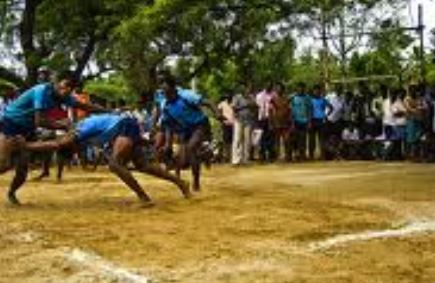
Overview: What is National game of Bangladesh?
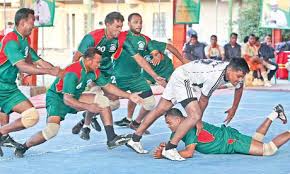
The national sport of Bangladesh is kabaddi, a team-based contact game that blends strategy, strength, and speed. It involves two teams, each with seven players, competing on a rectangular court. The goal is for one player, called the raider, to enter the opponent’s area. They must tag defenders and return to their side. They must do this without being tackled. The raider must also chant “kabaddi” the whole time without taking a breath.
This unique combination of physical endurance, mental focus, and tactical play makes kabaddi one of the most exciting sports in South Asia. Because it requires minimal equipment and can be played in any open space, it is accessible to everyone — from school students in Dhaka to villagers in the rural heartland.
In short, kabaddi is the national game of Bangladesh because it reflects the nation’s spirit — strong, strategic, united, and deeply connected to its roots.
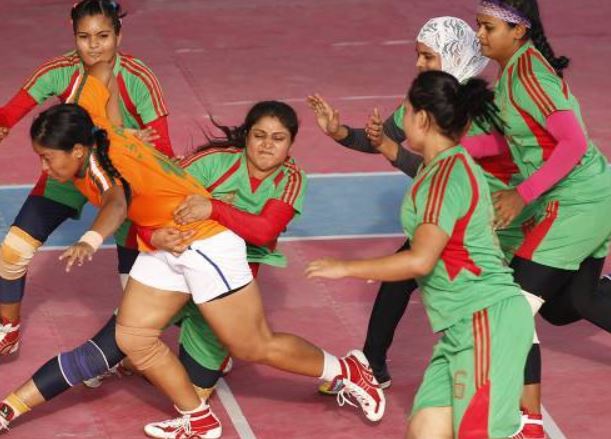
Why Kabaddi Was Chosen as the National Game of BD
Kabaddi became the Bangladeshi national game for several cultural and social reasons. It was not chosen randomly but after careful consideration of its history, accessibility, and symbolic meaning.
1. Deep Cultural Heritage
Kabaddi has been played for centuries across Bengal, including the region that is now Bangladesh. Long before modern sports like cricket and football arrived through colonial influence, rural communities were already competing in kabaddi matches during fairs, festivals, and social gatherings.
It has always been more than a sport — it was a cultural celebration. The rhythmic chanting of “kabaddi” and the teamwork involved turned each match into a shared community experience. This deep cultural connection is one of the main reasons kabaddi is the national sport of Bangladesh.
2. Accessibility for All
One of kabaddi’s greatest strengths is its simplicity. Unlike sports that require expensive gear, special fields, or formal coaching, kabaddi only needs an open space and a group of willing players. This made it an ideal game for a developing country like Bangladesh, where accessibility and inclusion matter.
Its popularity spread from village grounds to school playgrounds, symbolizing equality — anyone can play regardless of background, wealth, or region. This universality strengthened its status as the national play of Bangladesh.
3. Symbol of Strength and Strategy
Kabaddi is a demanding sport. Players must combine physical strength, agility, and mental strategy. Every successful raid requires calculation, endurance, and courage — qualities that reflect the Bangladeshi national character.
The sport trains players to think quickly under pressure and encourages teamwork — traits that mirror the values of the nation itself.
4. Promoting Unity and Team Spirit
Kabaddi represents unity — a value that is central to Bangladesh’s identity. The sport emphasizes collaboration, communication, and mutual trust. Whether played in a village or a stadium, kabaddi teaches teamwork and solidarity, symbolizing how Bangladesh as a nation stands together through challenges.
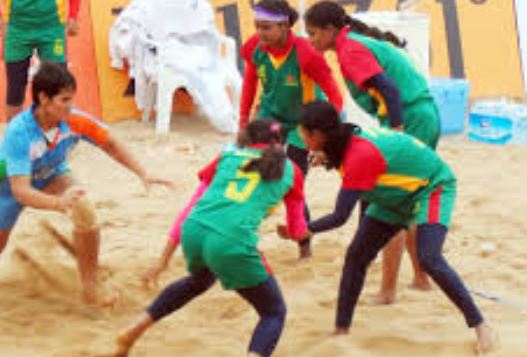
Historical Background: Kabaddi in Bangladesh
Ancient Origins
The origins of kabaddi trace back thousands of years to ancient South Asia. Although it is widely believed to have originated in India, variations of the sport were played across the subcontinent, including in what is now Bangladesh. Ancient texts and folk stories describe similar games that tested courage and stamina.
In rural Bengal, kabaddi was a common feature of community life. Young men played it to develop strength and agility, while the audience gathered to cheer in festive spirit. Over time, kabaddi became a symbol of traditional Bangladeshi sportsmanship.
Post-Independence Recognition
After gaining independence in 1971, Bangladesh sought to highlight cultural symbols that truly represented its heritage and identity. During this period, kabaddi was officially declared the national game of Bangladesh because it was indigenous, culturally rich, and deeply connected to the people.
While sports like cricket and football gained popularity through colonial and global influence, kabaddi remained the authentic Bangladeshi national sport — one that came from its soil and spirit.
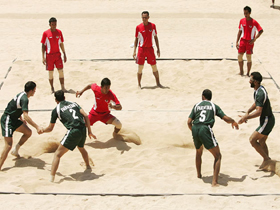
How Kabaddi Is Played: Rules, Gameplay, and Scoring
Kabaddi may look simple, but it combines skill, precision, and endurance. Here’s a breakdown of how the game works.
The Basic Setup
-
Two teams of seven active players each.
-
The court is rectangular, divided into two halves.
-
Teams alternate between offense (raiding) and defense.
Gameplay
-
The raider enters the opponent’s half while chanting “kabaddi” without taking a breath.
-
The goal is to tag one or more defenders and return safely to the home side.
-
If the raider inhales before returning or gets tackled, they are declared out.
-
Defenders aim to stop the raider using tackles or holds.
Scoring System
-
The offensive team scores 1 point for each opponent tagged during a successful raid.
-
The defensive team scores 1 point for each raider they tackle.
-
Players tagged or tackled are temporarily out but can return through revival points earned by their team.
-
The game consists of two 20-minute halves with a short interval in between.
-
The team with the highest points wins.
This combination of endurance, breath control, and teamwork makes kabaddi both mentally stimulating and physically demanding — a perfect reflection of Bangladesh’s national sports culture.
Kabaddi’s Role in Bangladeshi Culture
A Game That Connects Communities
Kabaddi unites people across different social and economic classes. Whether it’s played in a rural schoolyard or a national tournament, it brings together players and fans in a shared passion. This connection between rural and urban Bangladesh keeps the sport alive and thriving.
Preserving Tradition in Modern Times
In today’s fast-paced world, traditional games often risk being forgotten. However, kabaddi continues to hold its place in Bangladesh national games due to cultural festivals, school competitions, and national championships organized every year. It stands as a living reminder of Bangladesh’s heritage.
Building Character and Values
The national game Bangladesh teaches discipline, teamwork, courage, and quick decision-making. It’s not just about winning; it’s about learning to strategize, cooperate, and persevere — values that resonate strongly with Bangladeshi youth.
The Bangladesh Kabaddi Federation (BKF)
The Bangladesh Kabaddi Federation, established shortly after independence, oversees the sport’s development. It organizes national leagues, sets rules, and supports training camps for players.
International Participation
Bangladesh’s national kabaddi team has represented the country in major events such as:
-
Asian Games
-
South Asian Games
-
Kabaddi World Cup
These appearances helped establish Bangladesh as a competitive kabaddi-playing nation. The team’s success in regional tournaments highlights the country’s strength in this national sport of Bangladesh and promotes its visibility on the world stage.
Kabaddi and Youth Development
Encouraging the Next Generation
Bangladesh is focusing on involving young people in kabaddi through school-level tournaments and community training programs. These efforts aim to ensure that the sport remains popular among future generations.
Health and Fitness Benefits
Kabaddi develops endurance, reflexes, and coordination. For students and athletes, it’s a fun yet powerful way to stay healthy — combining fitness and national pride in one activity.
Challenges Faced by Kabaddi in Bangladesh
While kabaddi is deeply respected, it faces some modern challenges:
-
Competition from Other Sports — Cricket and football dominate the media and urban interest, drawing young athletes away.
-
Lack of Infrastructure — Training facilities and funding are still limited compared to other national sports in Bangladesh.
-
Insufficient Media Coverage — Kabaddi doesn’t get as much television or online exposure as mainstream sports.
Opportunities for Growth
Despite these issues, there are strong opportunities for kabaddi’s revival and expansion:
-
Professional Leagues: Establishing structured kabaddi leagues can boost popularity and create professional opportunities.
-
Digital Media Promotion: Highlighting kabaddi on social media and streaming platforms can attract global fans.
-
Cultural Tourism: Kabaddi tournaments can be integrated into cultural festivals, promoting both sports and heritage.
As Bangladesh embraces digital transformation, the national game can gain new global audiences and inspire pride among the younger generation.
Kabaddi as a Symbol of National Identity
Kabaddi is more than an athletic contest — it’s a symbol of national unity and pride. It embodies the qualities that define Bangladesh: resilience, teamwork, and perseverance.
From humble beginnings in village fields to international arenas, kabaddi tells the story of a nation that values hard work, cooperation, and cultural continuity. It is a reminder that the national sport of Bangladesh is not only about competition but also about identity and pride.
Kabaddi in the Modern Era: Bangladesh’s Sporting Future
As global sports evolve, kabaddi continues to adapt. With increasing urban participation, digital coverage, and government support, the sport is entering a new era. The Bangladesh Kabaddi Federation and various educational institutions are investing in programs to train players, host tournaments, and promote kabaddi globally.
This ensures that kabaddi — the national game of country— remains an active part of both local and international sports scenes.
About Kabadi competition and popularity in the South Asian Subcontinent
Kabaddi is the national sport of Bangladesh and one of the most exciting traditional games in the Indian subcontinent. It is not just a sport but also a form of entertainment that has been played since prehistoric times. The game involves strength, strategy, and teamwork as players of the opponent team try to stop the raider from returning to his half. Bangladesh has produced some of the finest kabaddi players who have made the nation proud in international tournaments.
Kabaddi is also a popular sport in India, Sri Lanka, and other South Asian countries. In India, kabaddi is almost as famous as cricket, and it has gained further recognition after being included in the Indian Olympic and Asian Games. The Indian team has often dominated the field — for instance, India won several gold medals in the Asian Kabaddi Championship and the Asian Games. However, Bangladesh has remained a strong contender and a passionate competitor, earning respect across the region.
Over the years, many kabaddi competitions have been held in Bangladesh, where thousands of fans gather to cheer for their teams. These events highlight the nation’s dedication to preserving its cultural heritage. The previous winners of local and international kabaddi tournaments in Bangladesh are celebrated much like cricket stars, showing how deeply the game is rooted in the country’s spirit.
While cricket has become a global phenomenon with events like the Cricket World Cup, kabaddi still holds a special place in Bangladeshi hearts. It represents courage, unity, and traditional values. Bangladesh continues to train young players to excel at the sport and hopes to achieve more gold medals in future championships. Kabaddi remains not only a national sport but also a proud symbol of the nation’s strength and identity.
Conclusion
The national play of Bangladesh, kabaddi, is much more than a pastime. It’s a reflection of the country’s heritage, discipline, and unity. From its roots in ancient rural games to its modern-day status as an international sport, kabaddi stands as a proud symbol of Bangladesh’s cultural identity.
As Bangladesh continues to progress in the 21st century, kabaddi remains a vital thread in its social and cultural fabric — connecting generations, strengthening communities, and reminding everyone of the power of teamwork and national pride.
Whether you’re watching a village match or cheering for the national team, kabaddi will always be a celebration of what it means to be Bangladeshi.