
Paris, known globally for its beauty, culture, and rich history, is the capital city of France. Revered as the “City of Light” and the “City of Love,” Paris holds a special place as one of the most influential cities in the world. It is a center of art, fashion, gastronomy, and intellect, drawing millions of tourists and residents who wish to experience its unparalleled charm.
Area and Population
Paris covers around 105 square kilometers (41 square miles), making it one of the smaller capital cities in France. Though compact, Paris is densely populated, with over 2.1 million residents as of 2023. When including the larger metropolitan area—the Île-de-France region—the population rises significantly to about 12 million people. This makes Paris not only a central hub for France but also one of the most significant urban agglomerations in Europe.
The “City of Light”
The nickname “City of Light” (“La Ville Lumière”) reflects Paris’ role as a center of intellectual growth during the Age of Enlightenment. It was a gathering place for philosophers, writers, and artists who exchanged innovative ideas. Additionally, Paris was one of the first cities to adopt street lighting during the 19th century, solidifying its association with illumination—both metaphorically and literally.
The “City of Love”
Paris is called the “City of Love” because of its romantic charm. Its beautiful architecture, the winding Seine River, and districts like Montmartre and Le Marais create a magical atmosphere. Paris has been the backdrop for countless love stories and romantic films, contributing to its reputation as a destination for lovers from around the world.
Climate
Paris has a temperate oceanic climate, characterized by mild temperatures throughout the year. Winters are typically cool, with average temperatures ranging from 2°C to 7°C (35°F to 45°F). Snowfall is relatively rare but can occur. Summers are warm but not overly hot, with average temperatures between 15°C and 25°C (59°F to 77°F). Paris experiences rainfall throughout the year, so an umbrella is handy no matter the season.
Best Time to Visit
The best times to visit the capital city of France are spring (April to June) and fall (September to October). These seasons offer pleasant weather and beautiful gardens in full bloom. Summer is also popular due to the warmer weather and an influx of outdoor events and festivals, but it is also the peak tourist season, leading to crowded attractions. Winter, although colder, has its own charm, especially during the holiday season when the city is adorned with festive lights and markets.
Living Cost
Paris is one of the most expensive cities in the world. Your living costs will depend on factors like lifestyle, accommodation, and personal choices. Rent for a one-bedroom apartment in central Paris can range from €1,200 to €2,500 per month, while outside the city center, the prices may drop to €800-€1,500. Dining out and entertainment can be costly, with mid-range restaurant meals averaging around €15-€30 per person.
Groceries and everyday items are generally more expensive compared to other parts of France. Public services, healthcare, and transportation contribute to the overall high cost of living. However, many residents and expats feel the city’s cultural richness and lifestyle justify the expenses.
Transportation
Paris has a highly efficient and well-connected public transportation system that includes the Métro, buses, and the Réseau Express Régional (RER) trains. The Paris Métro, with its 16 lines, is one of the most extensive underground systems in the world and is known for its art nouveau station designs. The RER connects Paris to its surrounding suburbs, facilitating commuting and access to landmarks like Versailles.
Cycling is another popular way to get around, with numerous bike lanes and the city’s Velib’ bike-sharing system. Taxis and rideshare services are also available but can be costly compared to public transport.
Iconic Tourist Spots
The capital of France is home to some of the most famous landmarks and cultural sites in the world. Here are a few must-visit spots:
- Eiffel Tower: An enduring symbol of Paris, this iron lattice tower offers panoramic views of the city from its various levels.
- Louvre Museum: The world’s largest art museum, housing masterpieces such as the Mona Lisa and the Venus de Milo.
- Notre-Dame Cathedral: A stunning example of French Gothic architecture, known for its iconic façade and historical significance.
- Sacré-Cœur Basilica: Located at the highest point in the city on Montmartre Hill, it offers breathtaking views and a serene atmosphere.
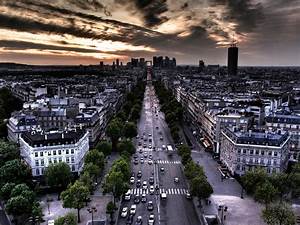
- Champs-Élysées and Arc de Triomphe: A renowned avenue leading to the majestic monument that commemorates those who fought for France.
- Seine River Cruises: A unique way to experience Paris by boat, providing a view of the city’s iconic bridges and waterfront architecture.
More Noteworthy Attractions
- Musée d’Orsay: Known for its collection of impressionist and post-impressionist masterpieces by artists like Monet, Van Gogh, and Renoir.
- Luxembourg Gardens: A beautiful park perfect for leisurely walks and picnics.
- Palace of Versailles: Though located outside Paris, this opulent palace is a testament to the grandeur of French royalty.
Cultural Significance
As a capital city in France, Paris has greatly influenced art, literature, and fashion. It is home to celebrated institutions like the Paris Opera, the Comédie-Française, and literary cafes where famous writers like Ernest Hemingway and Simone de Beauvoir once gathered. Fashion Week and haute couture houses like Chanel, Louis Vuitton, and Dior have their roots in this stylish city.
Education and Academic Centers
The capital city of France is also a center of learning, with renowned universities like the Sorbonne and École Polytechnique. These universities attract students from around the world, contributing to the city’s multicultural atmosphere.
Gastronomy
A visit to Paris wouldn’t be complete without exploring its food scene. From Michelin-starred restaurants to charming bistros and bakeries, the capital city of France offers delicious food for every taste. French delicacies such as croissants, macarons, escargots, and coq au vin are must-tries.
Shopping and Fashion
Paris is synonymous with fashion. The city boasts famous shopping districts such as Rue du Faubourg Saint-Honoré and the Galeries Lafayette. The Champs-Élysées is also a shopping destination, featuring both high-end boutiques and mainstream stores.
Nightlife
The nightlife in Paris is as diverse as the city. You can enjoy a classic cabaret like the Moulin Rouge, sip drinks at a rooftop bar with views of the skyline, or listen to jazz in the Latin Quarter. The city’s array of theaters, music venues, and dance clubs ensures that there is something for everyone.
Do you need more information about the city?
The capital of France, Paris, is one of the most iconic cities in the world. Often referred to as “The City of Light,” Paris serves as the political, cultural, and economic hub of the country. When people ask, “What is the capital of France?” the answer is undoubtedly Paris. It is the largest city in the country and home to historic landmarks such as the Eiffel Tower, the Louvre Museum, and Notre-Dame Cathedral.
Known for its rich history, Paris also plays a central role in global diplomacy, with numerous international organizations and embassies headquartered there. So, if you’re ever wondering, “What’s the capital of France?” the answer is clear—Paris is the capital of France, and it stands as a symbol of French culture and innovation.
The city Paris continues to attract millions of tourists each year who come to experience its art, cuisine, and history. Whether you refer to it as the capital of the France or simply France’s capital city, there’s no doubt that Paris holds a special place in the hearts of many around the world.
Leaving FACTS of Paris
Paris is a city steeped in history and culture, with numerous fascinating facts that highlight its significance. One of the most notable areas of Paris is the Left Bank, known for its artistic and intellectual history. This area, located on the southern side of the Seine, is home to landmarks such as the Latin Quarter and the Sorbonne University, attracting writers, philosophers, and students throughout the centuries.
At the centre of the Île de la Cité, you’ll find the iconic Notre-Dame Cathedral, a testament to Paris’s historical significance, especially during the Middle Ages. This island is one of the city’s oldest settlements and remains an integral part of its identity.
The Paris region is home to more than just the city itself; it encompasses a variety of neighborhoods, from the bustling central districts to the more serene, green spaces that provide a respite from the urban sprawl. The Bank of the Seine offers scenic views and a unique charm, with several parks and walking paths along the river.
Historically, Henry IV played a significant role in shaping the city’s landscape, especially through his efforts to improve the infrastructure and create more accessible spaces for the public. Today, the City of Paris is a vibrant metropolis, blending rich history with modern amenities, and offering an abundance of green space for both locals and tourists to enjoy.
Conclusion
Paris combines historical grandeur with modern vibrancy, making it a city that continues to captivate people around the world. Whether it’s the romantic allure, rich culture, or artistic legacy, Paris continues to be a symbol of sophistication and inspiration. A visit to Paris promises an unforgettable journey filled with awe, exploration, and admiration.