
Choosing the right health, wellness, and beauty products can be difficult because there are so many options available. Some products promise more energy, stronger immunity, healthier skin, better digestion, or a more even complexion. However, not every product is suitable for every person. The best choice depends on your age, lifestyle, diet, health needs, skin type, and personal routine.
Dietary supplements, children’s vitamins, and cosmetics such as foundation are all different types of products, but they have one thing in common: they should be selected carefully. A thoughtful approach helps you avoid unnecessary purchases, choose better-quality products, and use them more safely. This guide explains how to choose dietary supplements or children’s vitamins, whether vitamins are needed when eating properly, and how to choose a foundation that suits your skin.
How to choose dietary supplements or children’s vitamins?
Dietary supplements are products designed to add nutrients or other beneficial ingredients to the diet. They may include vitamins, minerals, amino acids, probiotics, herbal extracts, omega-3 fatty acids, or other nutritional compounds. Some people take supplements to support general wellness, while others use them because they may not get enough of a certain nutrient from food.
The first step in choosing a supplement is understanding why you need it. Taking vitamins without a clear reason may not always be useful. For example, one person may need vitamin D because they spend little time in the sun, while another may need iron because of low iron levels. Someone who follows a vegan or vegetarian diet may pay special attention to vitamin B12, while older adults may focus more on calcium, vitamin D, or other nutrients related to bone health. The right choice depends on the individual.
Before buying a supplement, read the label carefully. A good label should clearly show the active ingredients, serving size, recommended daily dosage, expiration date, storage instructions, and any warnings. It is also useful to check whether the supplement contains added sugar, artificial colors, preservatives, or allergens such as soy, dairy, gluten, or nuts. People with allergies or sensitivities should be especially careful.
Dosage is one of the most important details. More is not always better. Some vitamins and minerals can cause problems when taken in high amounts. Fat-soluble vitamins, such as vitamins A, D, E, and K, can build up in the body if taken excessively. Minerals such as iron, zinc, and selenium should also be used carefully. This is why it is better to choose supplements that match your actual needs rather than taking many products at the same time.
Children’s vitamins require even more attention. Children should not take adult supplements unless a doctor specifically recommends it. Adult products may contain doses that are too high for a child. When choosing children’s vitamins, look for products made for the child’s age group. A toddler, school-age child, and teenager may all have different nutritional needs.
Parents should also consider the form of the vitamin. Children’s vitamins may come as chewable tablets, gummies, liquids, powders, or drops. Gummies are popular because children often like the taste, but they may contain added sugar and should be stored safely. Children may mistake vitamins for candy, so supplements should always be kept out of reach.
Another important point is whether the child actually needs a vitamin supplement. Many children can get enough nutrients from a balanced diet that includes fruits, vegetables, grains, dairy or dairy alternatives, proteins, and healthy fats. However, some children may need additional support if they are picky eaters, have dietary restrictions, have certain medical conditions, or are advised by a healthcare professional to take a supplement.
When choosing any supplement for children, safety should come before marketing. Avoid giving several supplements at once unless recommended by a doctor or pharmacist. For example, a multivitamin plus a separate vitamin D product plus another immune-support product may accidentally provide too much of the same nutrient. Always compare labels to see if ingredients overlap.
Do I need to take vitamins when eating properly?
A healthy and balanced diet is the best foundation for good nutrition. Whole foods provide not only vitamins and minerals but also fiber, antioxidants, protein, healthy fats, and many other natural compounds that work together. Fruits, vegetables, whole grains, beans, nuts, seeds, fish, eggs, dairy products, and lean meats can all contribute to a nutrient-rich diet.
If you eat properly, you may not need many supplements. In fact, supplements should not be seen as a replacement for real food. A vitamin tablet cannot fully replace the benefits of a varied diet. For example, an orange contains vitamin C, but it also contains fiber, water, and plant compounds. A supplement may provide one nutrient, but food usually provides a wider range of benefits.
However, eating properly does not always guarantee that every nutrient need is met. Modern lifestyles can affect nutrition in many ways. Some people have busy schedules and do not eat balanced meals every day. Others may avoid certain food groups because of allergies, personal preferences, religious choices, or digestive issues. Some people spend little time outdoors and may have lower vitamin D levels. Women may have changing nutritional needs during menstruation, pregnancy, breastfeeding, or later stages of life.
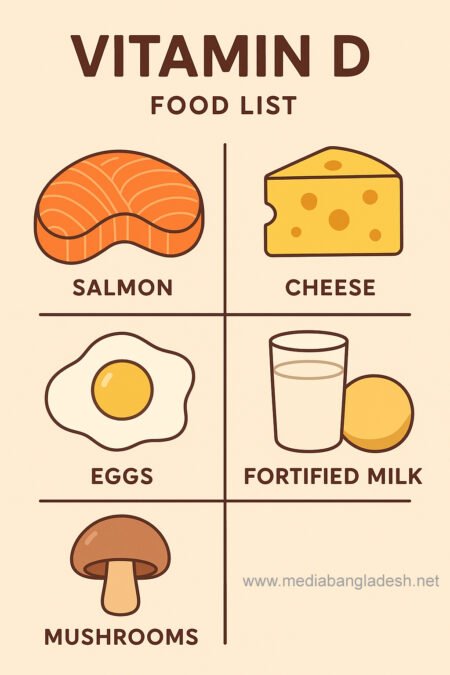
This is where supplements may be useful. They can help fill nutritional gaps when diet alone is not enough. For example, a person who does not eat fish may consider omega-3 supplements. Someone who avoids animal products may need vitamin B12. A person with limited sun exposure may ask a healthcare provider about vitamin D. The key is to use supplements as support, not as a substitute for good eating habits.
For women, daily nutrient needs can vary based on age, lifestyle, activity level, and health status. Some may look for products designed to support general wellness, energy metabolism, bone health, skin health, or immune function. When comparing options, products such as daily vitamins for women may be considered as part of a broader wellness routine, especially when selected carefully and used according to the product directions.
Still, it is important to remember that not everyone needs the same vitamins. A supplement that is useful for one person may be unnecessary for another. Before starting a daily vitamin routine, think about your diet, lifestyle, and any specific concerns. If possible, ask a doctor or pharmacist, especially if you are pregnant, breastfeeding, taking medication, managing a health condition, or choosing supplements for a child.
Another useful step is checking your nutrient levels when appropriate. For example, if you often feel tired, it may be tempting to take many different vitamins. But tiredness can have many causes, including poor sleep, stress, low iron, low vitamin D, thyroid issues, dehydration, or other health problems. Testing and professional advice can help identify the real cause instead of guessing.
It is also important to avoid unrealistic expectations. Vitamins do not work like magic. They usually support normal body functions over time. A supplement may help if you have a deficiency or a specific nutritional gap, but it may not create noticeable changes if you already get enough nutrients. Consistency, balanced meals, hydration, sleep, movement, and stress management all play important roles in overall wellness.
How to choose a foundation?
Foundation is one of the most commonly used makeup products. Its purpose is to even out the appearance of the skin, create a smoother-looking complexion, and provide a base for other makeup products. Choosing the right foundation can make your makeup look natural and comfortable, while the wrong one may appear too heavy, too dry, too oily, or mismatched in color.
The first step is identifying your skin type. If your skin becomes shiny quickly, especially around the forehead, nose, and chin, you may have oily or combination skin. In this case, a matte, oil-free, or long-wear foundation may work well. If your skin often feels tight, flaky, or rough, you may have dry skin. A hydrating, creamy, or dewy foundation may be more comfortable. If your skin reacts easily, becomes red, or feels irritated, choose gentle formulas made for sensitive skin.
Next, decide how much coverage you want. Light coverage foundation gives a natural look and allows your skin to show through. It is good for everyday wear and people who prefer a fresh appearance. Medium coverage helps even out skin tone while still looking natural. Full coverage foundation covers more visible imperfections, discoloration, or blemishes, and is often used for events, photos, or long days.
The finish is also important. Matte foundations reduce shine and create a smooth, less reflective look. Dewy foundations make the skin appear fresh and glowing. Satin or natural-finish foundations are somewhere between matte and dewy and are often suitable for many skin types. The best finish depends on your skin, climate, and personal preference.
Choosing the right shade is one of the most challenging parts. Many people test foundation on their hand, but the hand may not match the face. A better place to test is along the jawline, where you can compare the color with both your face and neck. The right shade should blend smoothly without leaving a visible line.
Undertone also matters. Skin undertones are usually cool, warm, or neutral. Cool undertones may have hints of pink, red, or blue. Warm undertones may have golden, peachy, or yellow tones. Neutral undertones are a balance between the two. If a foundation looks too orange, too pink, or too gray, the undertone may be wrong even if the shade depth is close.
Lighting can change how foundation looks. A shade that appears perfect in store lighting may look different outside. If possible, check the foundation in natural daylight before deciding. Some foundations may also oxidize, meaning they become darker or warmer after being on the skin for a while. Waiting a few minutes after testing can help you see the final color.
Ingredients are another factor to consider. If your skin is acne-prone, look for non-comedogenic products, which are designed not to clog pores. If you have dry skin, ingredients like hyaluronic acid or moisturizing components may be helpful. If your skin is sensitive, fragrance-free formulas may be a better choice.
Application method can also affect the final result. A brush can provide more coverage, a sponge can create a softer finish, and fingers can work well for lightweight formulas. Preparing the skin before applying foundation is just as important. Clean skin, moisturizer, and sunscreen can help foundation sit better and look smoother. Some people also use primer to help with texture, oil control, or longer wear.
Final tips for making better choices
Whether you are choosing vitamins, children’s supplements, or foundation, the best approach is to focus on your real needs rather than advertising claims. Read labels, compare ingredients, and avoid products that promise unrealistic results. Health and beauty products work best when they fit your lifestyle and are used correctly.
For supplements, remember that food should come first. Vitamins may support wellness, but they cannot replace balanced meals, enough sleep, regular movement, and healthy daily habits. For children, always choose age-appropriate products and keep supplements stored safely. For foundation, pay attention to skin type, shade, undertone, coverage, and comfort.
Good choices do not have to be complicated. Start with what your body or skin actually needs, choose quality products, follow instructions, and make changes gradually. A careful and informed approach can help you build a routine that supports both everyday health and personal confidence.