

The July Museum Bangladesh, officially known as the July Memorial Museum, is an important historical museum chronicling the July uprising and key political events in Bangladesh. Located in Dhaka at the former Ganabhaban, this museum has become a major landmark dedicated to preserving cultural heritage and national history for local and international visitors alike.
What is the July Memorial Museum?
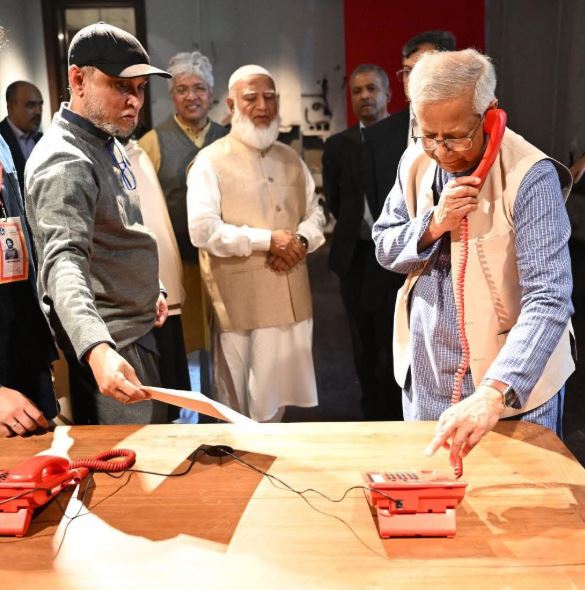
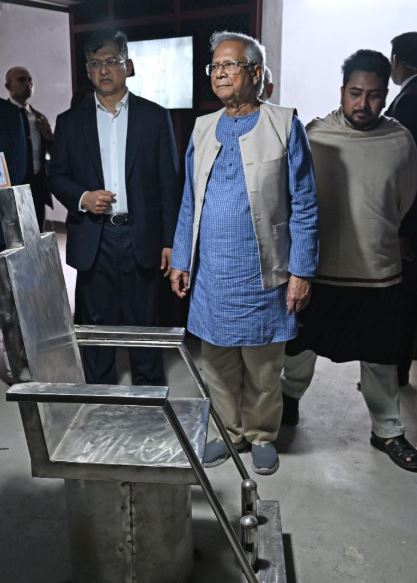
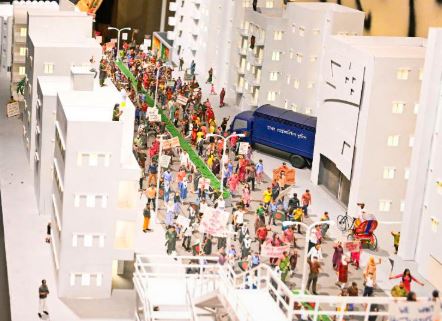
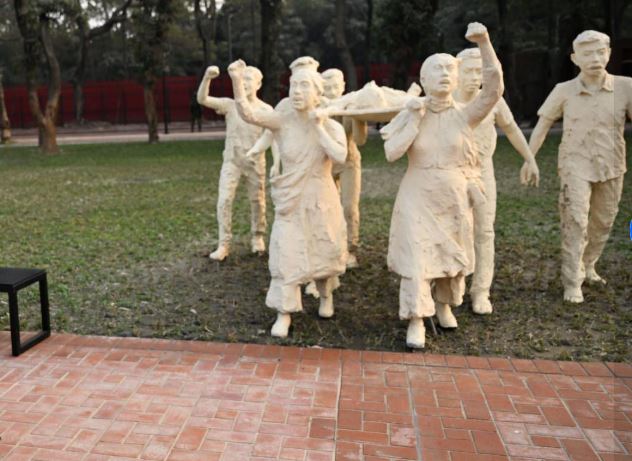
The July Memorial Museum is a museum built to document and present the history of the July events and mass movements in Bangladesh. It aims to educate visitors by preserving original artifacts, photographs, personal belongings of martyrs, and visual records from the uprising and related historical movements.
Originally the official residence of the Prime Minister of Bangladesh—Ganabhaban—the site has been repurposed into a museum space to reflect the nation’s past struggles and achievements.
Key features include:
-
Authentic historical memorabilia from the uprising.
-
Documentary evidence, newspaper clippings, and personal artifacts.
-
Multimedia presentations on failed regimes and resistance history.
-
Curated exhibits for both local and foreign guests.
Historical Significance of July Museum
The July Museum Bangladesh showcases the events that transformed Bangladesh’s political and cultural landscape. Through carefully arranged galleries, visitors learn about:
-
The July uprising and its nationwide impact.
-
Personal stories of resistance and courage.
-
Sociopolitical changes reflected through artifacts and records.
This museum is not just an exhibition space; it is an educational museum and cultural institution with significant research and historical value for scholars, students, and history enthusiasts.
Major Exhibits at the July Memorial Museum
Photographs & Visual Archives
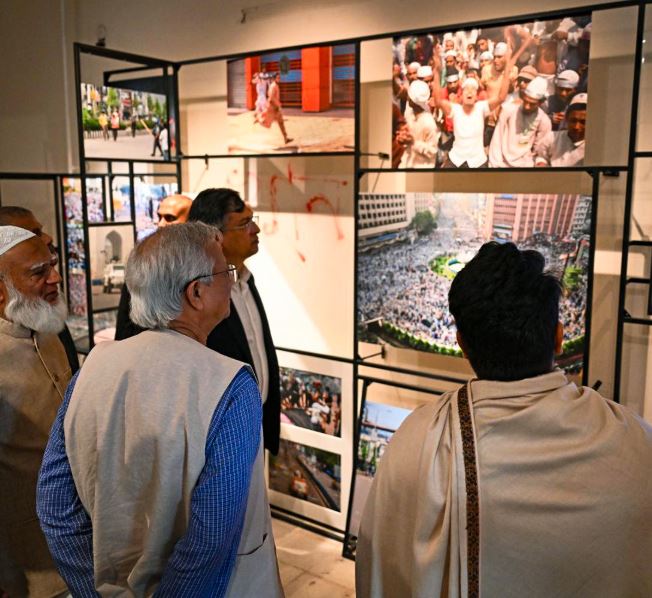
The July Museum displays over 30 powerful images that document pivotal moments of resistance and protest, offering visitors a visual narrative of the nation’s historical movements.
Personal Artifacts and Memorabilia
Unique items such as clothing worn by martyrs and personal belongings represent both the tragedy and bravery of citizens involved in the July protests.
Audio‑Visual Presentations
The museum also features audio‑visual materials, such as documentaries and recordings, enhancing the visitor experience with dynamic historical storytelling.
Multimedia Storytelling Zones
Special exhibits use immersive displays to communicate the experiences of youth, political figures, and everyday citizens caught in historical turbulence.
Visiting the July Museum Bangladesh
Location
The museum is situated at the former official residence of the Prime Minister (Ganabhaban) in Sher E Banglanagar, Dhaka, now transformed into a memorial museum space.
Opening and Access
Officials have announced that the July Memorial Museum is set to be inaugurated in phases and will be open to the public once construction and curation are completed.
Visitors should check official announcements for exact dates, hours, and ticket arrangements prior to planning museum visits.
Educational Importance & Cultural Heritage
The July Museum Bangladesh is more than a tourist spot; it serves as a vital educational museum that preserves narratives of sacrifice and struggle. The museum supports:
-
Academic research on modern Bangladeshi history.
-
School and university trips for experiential learning.
-
Cultural heritage preservation for future generations.
Officials believe the July Memorial Museum can become a global model for preserving youth narratives and historical consciousness.
July Museum vs. Other Museums in Bangladesh
While Bangladesh has many notable museums such as the Liberation War Museum, each institution serves unique purposes:
| Museum | Focus | Location |
|---|---|---|
| July Museum Bangladesh | July uprising & political history | Dhaka |
| Liberation War Museum | 1971 war of independence | Dhaka |
The July Museum’s focus on recent historical movements complements older heritage museums, enhancing the national museum ecosystem.
Why the July Memorial Museum Matters
-
Historical preservation: Protects artifacts and narratives for posterity.
-
Cultural education: Offers deep insights into Bangladesh’s sociopolitical history.
-
Tourism draw: Adds to Dhaka’s museum landscape and attracts global visitors.
-
Research hub: Encourages academic study of contemporary history.
Conclusion
The July Museum Bangladesh stands as a symbol of resilience, history, and cultural memory. Visitors and researchers alike can explore compelling exhibits, preserved artifacts, and curated galleries that narrate a defining period of Bangladesh’s contemporary journey. Positioned to educate and inspire, the July Memorial Museum is a must‑visit destination for anyone interested in history, culture, and national identity.